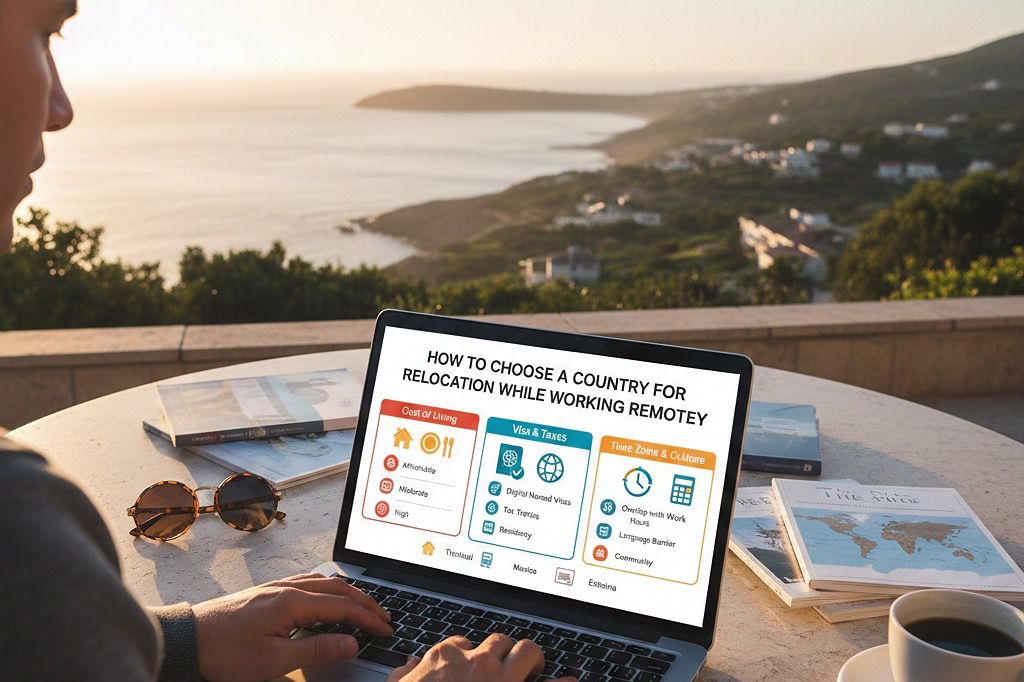
The criteria to check before choosing the country for relocation can be various, but this guide groups the in the next categories.
1. Visa and Residency Requirements
It can be the most critical starting point. Many countries have introduced "digital nomad" visas specifically for remote workers, while others may require you to apply for a traditional work visa or demonstrate sufficient income. Steps to take here:
- Research Digital Nomad Visas: Countries like Estonia, Portugal, Croatia, and Germany have embraced the digital nomad movement with specific visa programs. These often have income requirements and may or may not lead to permanent residency.
- Understand General Visa Options: If a digital nomad visa isn't available, explore other long-stay visas such as self-employment visas, investor visas, or even student visas if you plan to combine work with study.
- Consider Tax Implications: Understand how your visa status impacts your tax residency. You'll want to avoid double taxation and ensure compliance with both your home country's and your new country's tax laws.
- Residency vs. Citizenship: Differentiate between temporary residency (which most digital nomad visas offer) and pathways to permanent residency or citizenship if that's your long-term goal.
2. Cost of Living
Your income will likely be not adjusted to the new country reality and currency, so understanding the local cost of living is crucial for budgeting and financial stability.
- Accommodation: Research rental prices for apartments or houses in areas you're considering. Factor in utilities like electricity, water, and internet.
- Groceries and Dining: Compare food prices, both for cooking at home and eating out.
- Transportation: Look into the cost of public transport, gas if you plan to drive, and car ownership if applicable.
- Healthcare: While some digital nomad visas require private health insurance, understand the local healthcare system and its costs.
- Miscellaneous Expenses: Don't forget about entertainment, leisure activities, and unexpected costs.
You can use online tools like Numbeo or Expatistan to compare costs of living between cities.
3. Internet Infrastructure and Connectivity
Reliable and fast internet is non-negotiable for remote work. Before committing to a location, thoroughly investigate its internet capabilities.
- Speed and Reliability: Check average internet speeds in the areas you're considering. Are there frequent outages?
- Provider Options: Are there multiple internet service providers, fostering competition and potentially better service?
- Mobile Data: Evaluate the availability and cost of mobile data plans for backup or when you're on the go.
- Coworking Spaces: Research the availability and cost of coworking spaces, which often offer robust internet and a productive environment.
4. Time Zone Alignment
Working across significant time differences can be challenging. Consider how your new time zone will impact your ability to collaborate with your team and clients.
5. Culture and Lifestyle
Every country has its cultural and social specifics you should consider.
- Language Barrier: How comfortable are you with the local language? Are there large expat communities if you prefer to rely on English?
- Social Scene: Are you looking for a vibrant city life, a quiet coastal town, or something in between? How easy is it to meet new people and integrate?
- Climate: Do you thrive in sunshine, prefer cooler temperatures, or enjoy experiencing all four seasons?
- Safety and Stability: Research the political stability, crime rates, and overall safety of the country and specific regions.
- Accessibility and Travel: If you love to travel, consider the country's proximity to other desirable destinations.
6. Healthcare System
Understanding the healthcare system is vital for your well-being.
- Public vs. Private: Does the country have a robust public healthcare system, or is private insurance the primary option for expats?
- Insurance Requirements: Many digital nomad visas require proof of comprehensive health insurance.
- Quality of Care: Research the quality and accessibility of medical facilities and specialists.
- Emergency Services: Know how to access emergency services in your chosen country.
7. Banking and Financial Services
Setting up local banking can simplify your daily life and financial management.
- Ease of Opening an Account: Can you open a bank account as a non-resident or with your specific visa type?
- International Transfers: Research the fees and ease of transferring money between your home country and your new local account.
- Local Payment Methods: Understand common payment methods (e.g., credit cards, mobile payments) and if they align with your preferences.
8. Community and Support for Expats/Digital Nomads
Moving to a new country is easier when there's a supportive community.
- Expat Groups: Look for online forums (e.g., Facebook groups, Reddit communities) and local meetups for expats and digital nomads.
- Coworking Spaces: These not only offer good internet but also opportunities to connect with like-minded individuals.
- Local Resources: Are there government or non-profit organizations that offer support and information for newcomers?
Relocation can be challenging and complicated task taking a lot of effort for years. Complex analysis of the factors above will take a couple of hours, but will help you to choose wisely and not regret later.