Blog

What Location Should You Put on a Remote Resume?
For an international remote application, your current city and country are a useful resume-header default. A full street address is generally unnecessary unless a trusted hiring process specifically requests it. Employer instructions and local conventions can differ. Keep your residence separate from a past employer’s headquarters, and answer application location questions as written.
Read more
Remote UX Researcher Jobs: Match Your Case Study to the Role
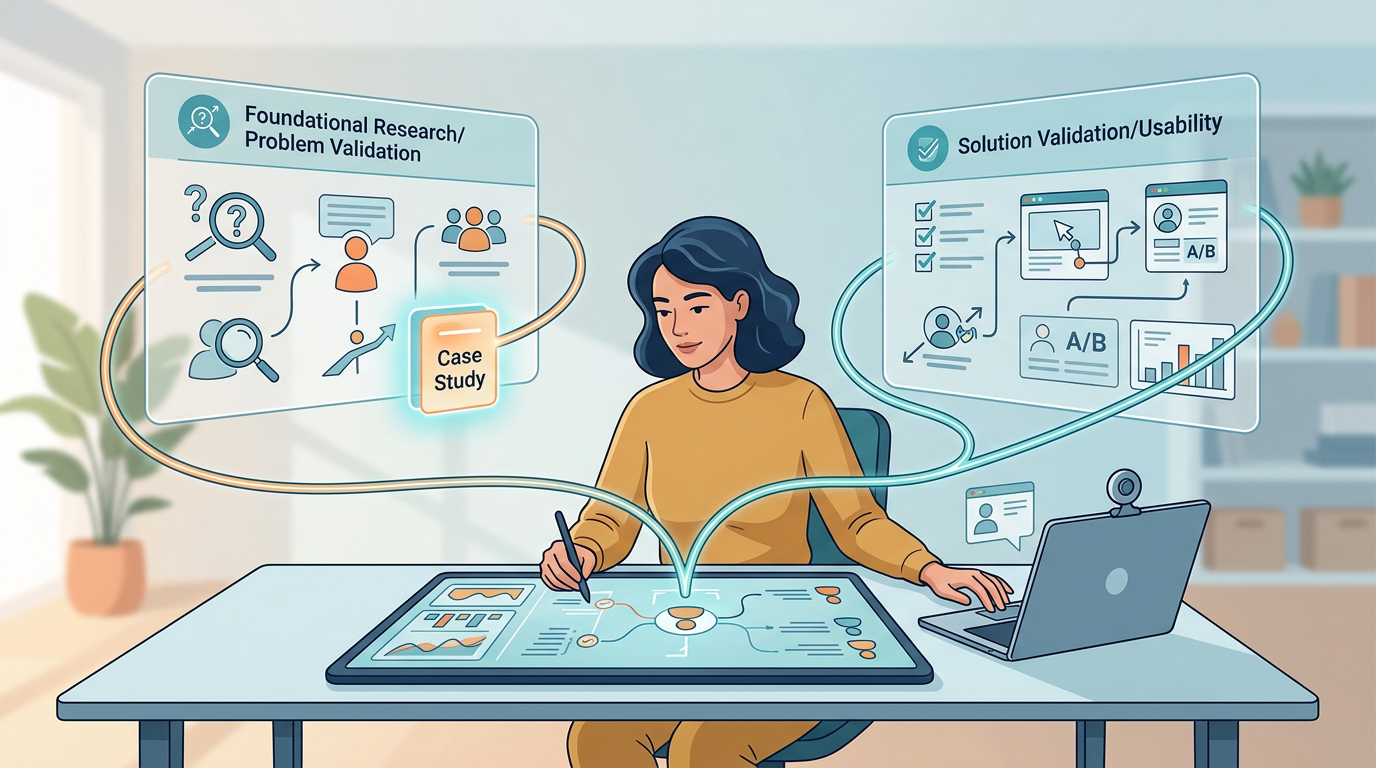
Before you rebuild your research portfolio for a remote opening, check whether the employer can hire you where you live and what research you would actually own. A strong usability study can still be the wrong evidence for a role focused on understanding unmet needs. Here is how to decide whether to apply, clarify or skip, then choose a case study that supports that decision.
Read more
Location-Based Pay: Which Remote Salary Applies to You?
The salary looks worth applying for. Then you notice the calculator is set to San Francisco, while you would be working somewhere else. Some remote employers adjust pay by location; others do not. Before committing to a long interview process, establish which range applies to you and what could change if you move.
Read more
Asynchronous Remote Jobs: Check the Role, Not the Label
Asynchronous communication lets people contribute without being online together. It does not remove required meetings, support coverage, deadlines or hiring restrictions. If you are a developer outside the US, check those conditions before spending time on an application: a role can suit your skills and still require hours you cannot work.
Read more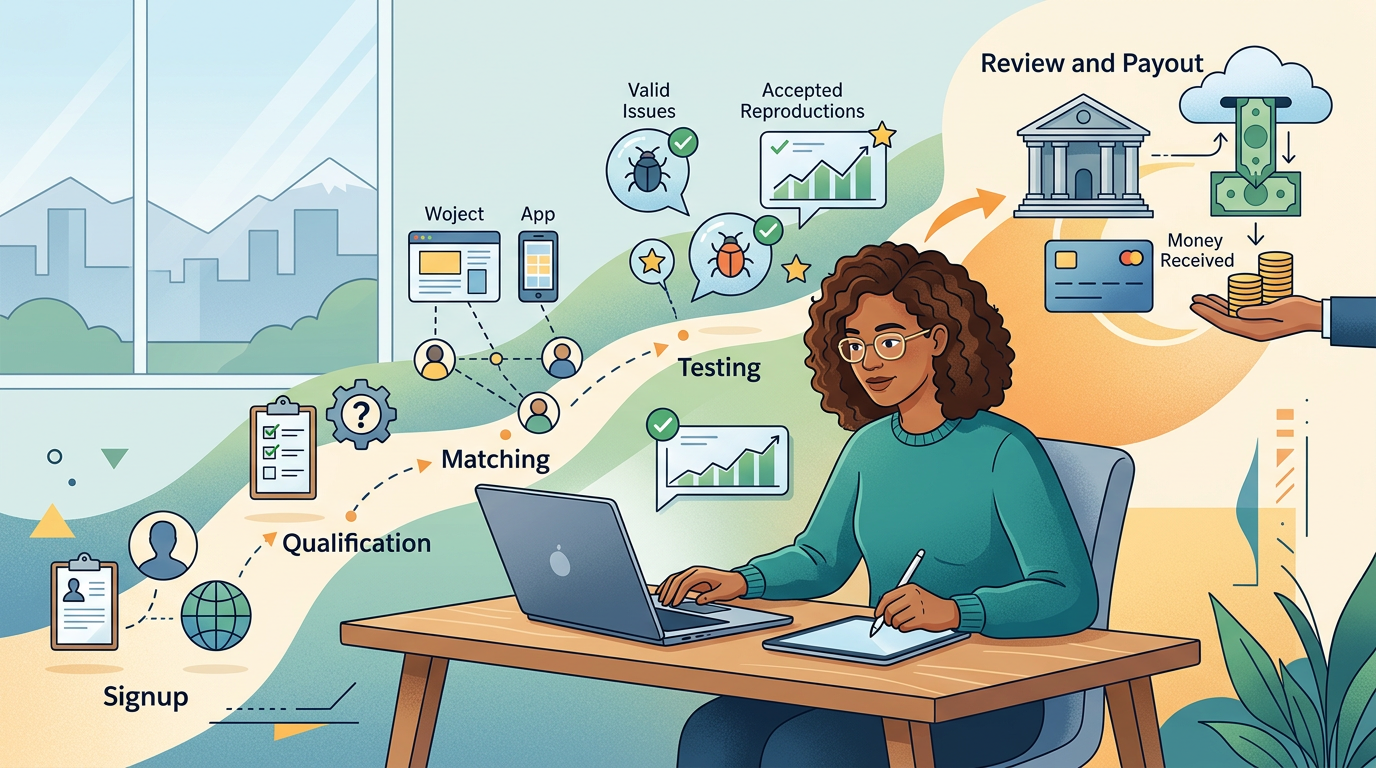
Crowdtesting Jobs: From Signup to First Payment
Joining a crowdtesting network is not the same as getting a job or guaranteed income. For applicants outside the US, the useful question is whether your location, skills, devices and payment access can turn accepted testing work into money you actually receive. Check that path before spending hours qualifying or buying equipment.
Read more
Remote Procurement Jobs Outside the US: Which Work Fits?
Purchase orders, supplier follow-ups and contract negotiations can all appear under a procurement title, but they ask for different experience. If you work in purchasing, inventory or accounts payable outside the US, start with the decisions you can already support or own. Then check whether the employer can hire where you live and whether its supplier hours work for you.
Read more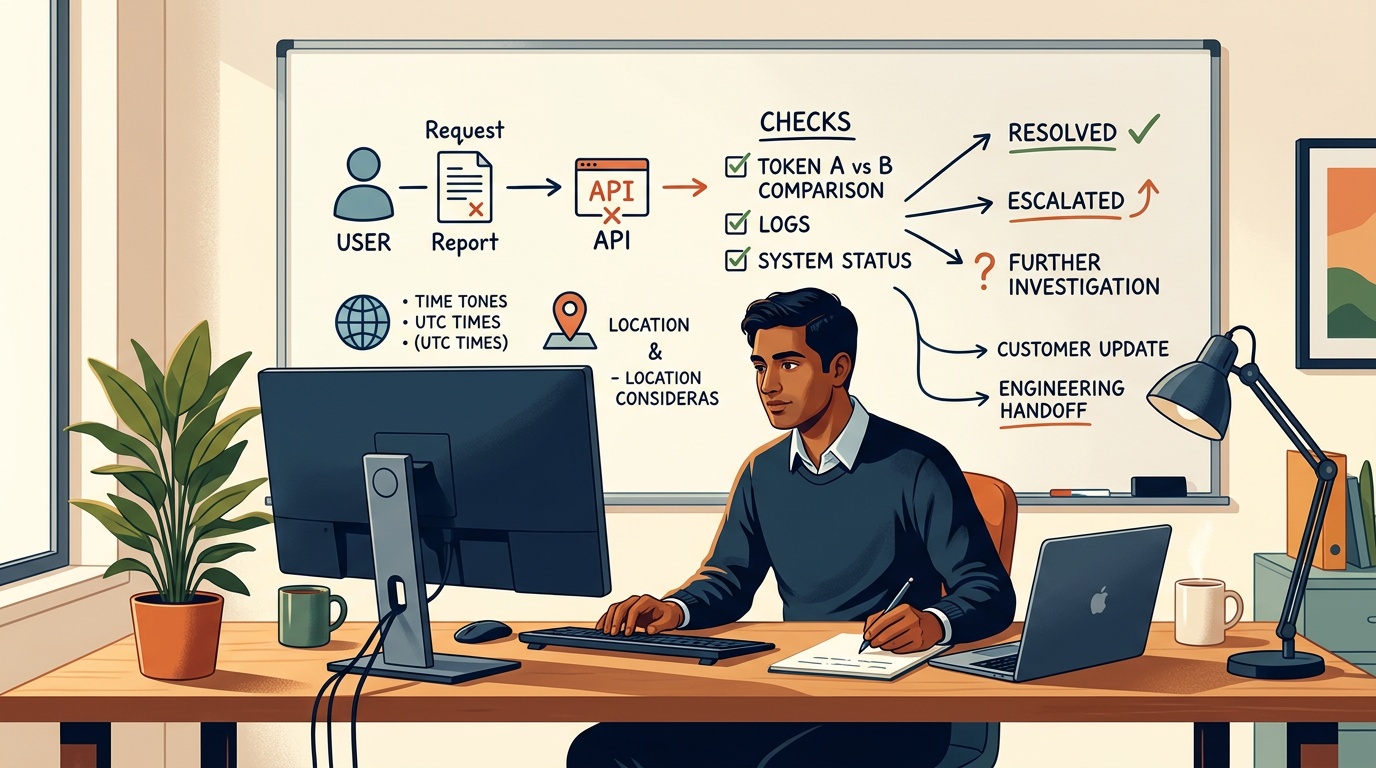
Remote Support Engineer Applications: Build a Support Case
A tool list tells an employer what you recognize. A support case shows how you investigate: what failed, which check narrowed the problem, what you told the customer, and how you verified the result. Start with a role you can realistically do and a country and schedule the employer can support. Then prepare one honest example you can explain, including what you still do not know.
Read more
Remote Travel Agent Jobs With Training: Free Isn’t Always Paid
Training can cost you nothing and still leave you without income. If you’re applying from South Africa, check which skills the offer requires, how much time training takes, and what must happen before earnings reach your account.
Read more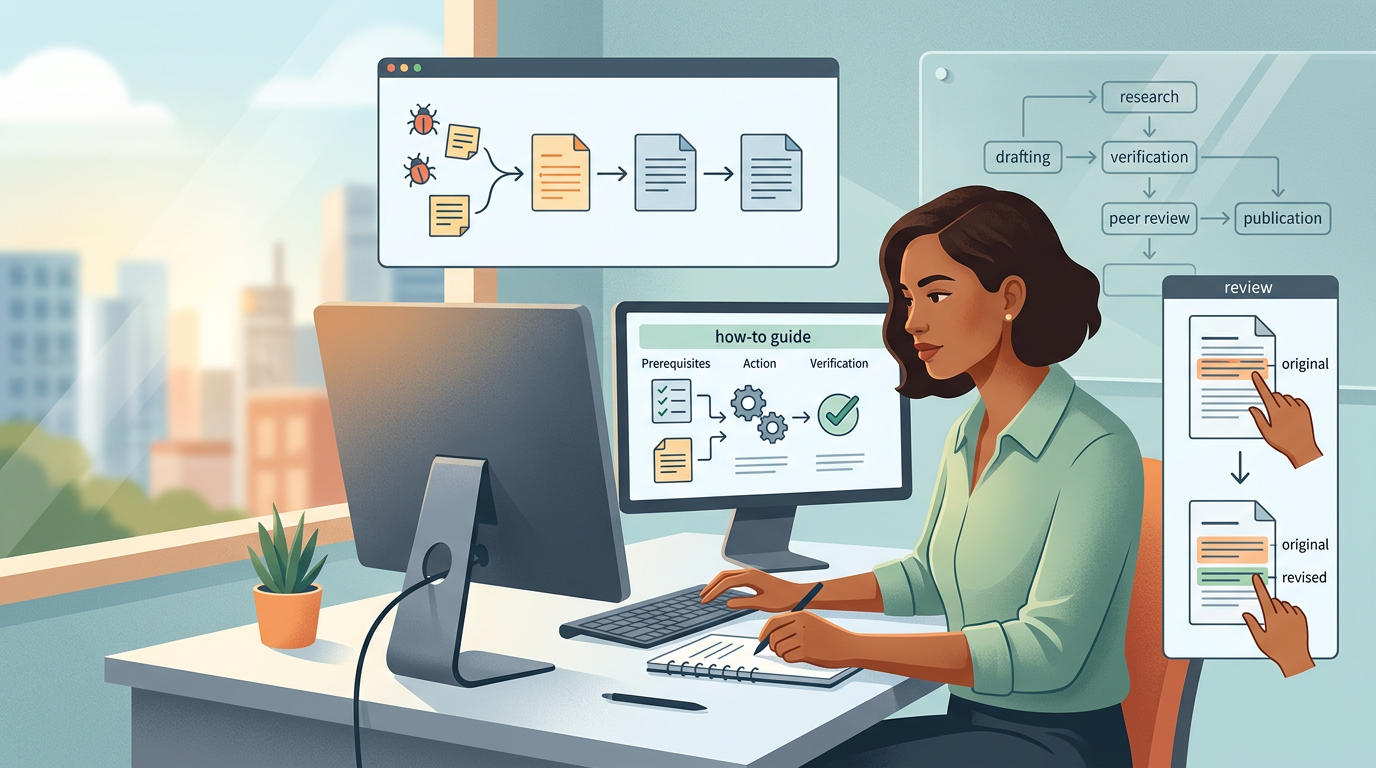
Remote Software Technical Writer Jobs: Prove the Docs Work
Software technical writing means explaining a product, checking that the instructions work, and keeping them accurate as the product changes. If you live outside the US, confirm the role's country and experience requirements before preparing a sample. Then show more than polished prose: show what you documented, how you checked it, and what you revised.
Read more
Remote Property Management Jobs: Support or Manager Responsibility?
A remote property job might mean sending approved tenant updates, following a repair through to completion, or overseeing a portfolio. If you are applying from the Philippines or Latin America, the title alone will not tell you whether the role fits. Check where you can live, when you must be available, and which decisions you would actually own.
Read more